
LIVE AXLES AND DEAD AXLES IN ROBOTICS
1. INTRODUCTION TO SHAFT SYSTEMS
Why differentiate between the two types of shafts?
In FTC robot design, shaft systems play a vital role in power transmission and load-bearing. Understanding the difference between live axles and dead axles helps optimize design and improve robot performance.
Choosing the correct shaft type affects:
- Torque transmission capability
- System durability and lifespan
- Transmission efficiency
- Load-bearing capacity
- Assembly and maintenance complexity
2. LIVE AXLES
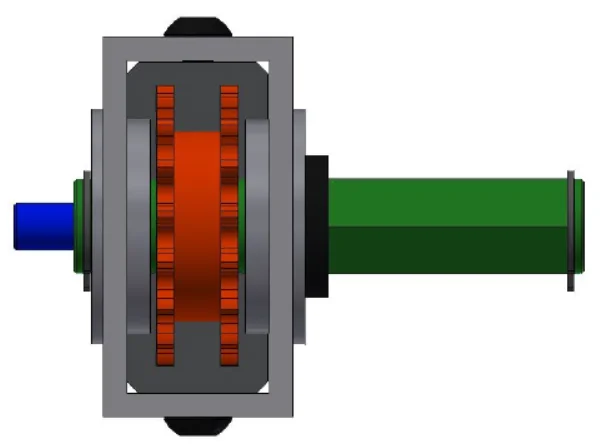
Definition and Operating Principle
Live Axle: Torque is transmitted through the shaft body to the wheels, gears, sprockets, etc. This requires the shaft body to feature one of the specific cross-sectional profiles listed below to transmit this torque. In this configuration, the shaft itself rotates.
- Key Characteristics of Live Axles:
- The shaft rotates together with the wheel/gear.
- Torque is transmitted directly through the shaft body.
- Requires locking mechanisms (keys, set-screws) to transmit torque.
- Ideal for direct-drive powertrains.
3. DEAD AXLES
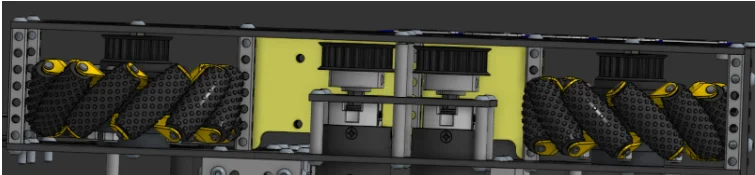
Definition and Operating Principle
Dead Axle: Bearings are installed inside the wheels, gears, sprockets, etc., and torque is transmitted directly to the wheel via a sprocket or gear bolted directly onto the wheel itself. Dead axles offer superior load-bearing characteristics because they can double as fixed structural tie rods. In this configuration, the shaft itself remains stationary; instead, the components mounted on it rotate.
- Key Characteristics of Dead Axles:
- The shaft is fixed and does not rotate.
- Wheels/gears rotate on the shaft via bearings.
- Excellent load-bearing capacity; can be used as structural tie rods.
- Reduces friction and extends lifespan.
4. COMPARISON: LIVE AXLE VS. DEAD AXLE
5. SHAFT PROFILES
Common Shaft Profile Types
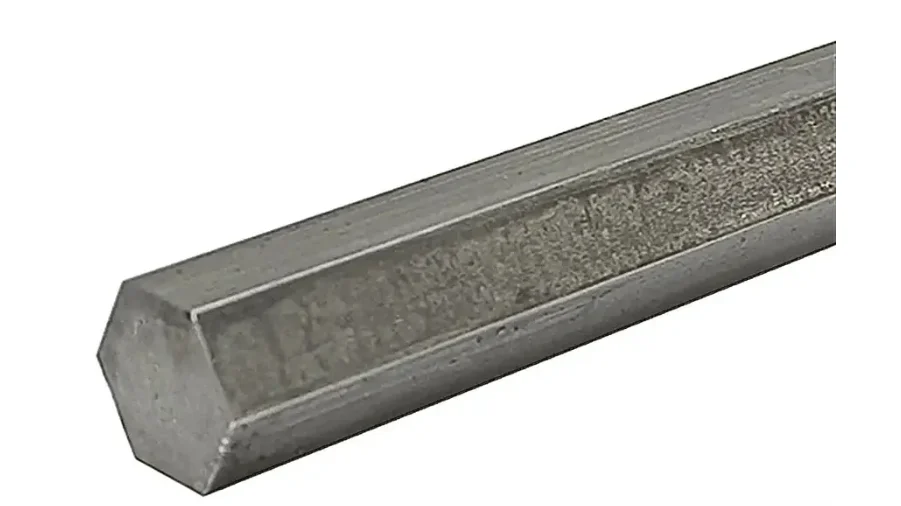
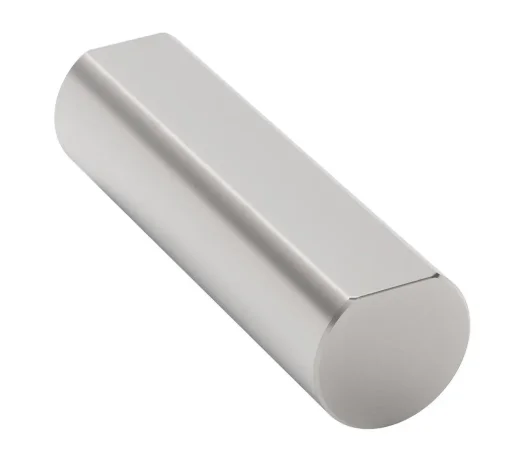
Shaft bodies typically feature different structural cross-sections. The most common types in FTC are hex shafts and D-profile shafts:
6. SELECTION AND DESIGN GUIDE
- Define Requirements: Rotational speed, torque, load, installation space, required precision.
- Choose Shaft Type:
- Live Axle: When direct torque transmission and simple design are needed.
- Dead Axle: When high durability, heavy load support, and low friction are required.
- Choose Shaft Profile:
- Hex Shaft: For high rigidity and ease of assembly.
- D-Profile Shaft: For applications requiring precise angular positioning.
- Round Shaft + Keyway: For industrial applications with heavy loads.
- Calculate Dimensions: Determine appropriate shaft diameter based on torque and load requirements.
- Design Support Systems:
- Bearings for dead axles.
- Bearing blocks for live axles.
- Alignment and securing systems.
- Test and Validate: Run load tests, check backlash, temperature, and operating noise.
- IMPORTANT DESIGN NOTES:
- Prevent Shaft Torsion: Calculate maximum torque to avoid permanent deformation.
- Minimize Backlash: Use quality bearings and precise alignment.
- Periodic Lubrication: Especially crucial for dead axles and bearing assemblies.
- Monitor Temperatures: Track bearing temperatures during continuous operation.
- Use OEM Accessories: Ensure high precision and durability.