
MechanicalNov 9, 2026RoboLads Engineering Unit
Chains and Sprockets in Robotics
SPECIFICATION & TECHNICAL NOTES
Overview of Chain Drives
Chain drive is an efficient mechanical power transmission method used to transmit force and torque between distant shafts. In FTC robotics, chains are predominantly deployed in drivetrains and lift or articulation mechanisms.
Advantages of Chain Drive Systems:
- High transmission efficiency: 95%–98%
- Long center-to-center distance: Capable of transferring power across extended spans
- High load capacity and durability: Handles high torque without slipping
- Constant gear ratio: Positive mechanical engagement eliminates slip
- Straightforward maintenance: Easy to break, size, and replace individual links
Common Chain Types in Robotics
- #25 Roller Chain (Most Common):
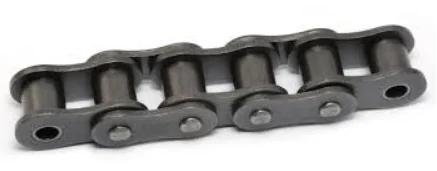
- Pitch: 6.35 mm (1/4 in)
- Characteristics: Standard lightweight chain, affordable, widely available from robotics vendors, excellent strength-to-weight ratio.
- Applications: Primary FTC drivetrains, wheel drives, and intake or lift mechanisms.
- #35 Roller Chain:
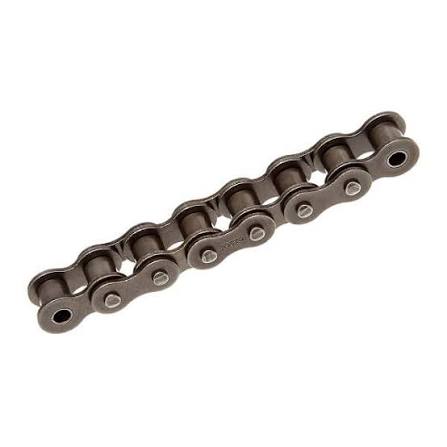
- Pitch: 9.525 mm (3/8 in)
- Characteristics: Larger and heavier than #25, significantly higher tensile strength, requires larger sprockets.
- Applications: Heavy-duty robots (e.g., FRC), high-torque gear reductions, and high-impact lifting arms.
- Single-Strand Chain:
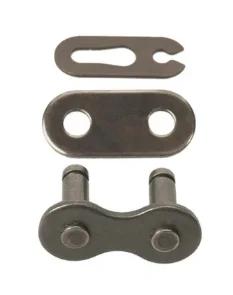
- Pitch range: 6.35 mm to 12.7 mm
- Characteristics: Single row of link plates, lightweight, cost-effective, suited for moderate loads.
- Applications: Small to medium robots, secondary transmissions, and non-shock-load mechanisms.
- Double-Strand (Duplex) Chain:
- Pitch range: 6.35 mm to 12.7 mm
- Characteristics: Two parallel strands sharing extended pins, twice the load rating of single strand, superior lateral stability, higher cost and weight.
- Applications: Large-scale robots, heavy industrial machinery, and critical high-reliability primary drives.
Sprockets
Technical Specifications:
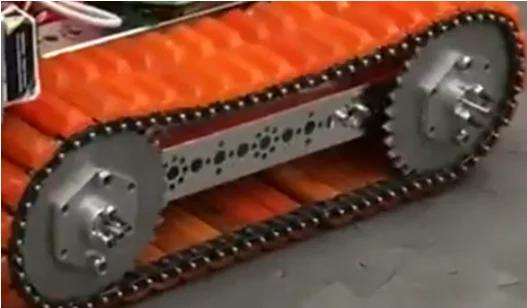
- Tooth count (T): Dictates the transmission ratio.
- Pitch: Must match the chain pitch exactly (#25, #35, etc.).
- Bore diameter: Sized to match motor output shafts or hex drive shafts (e.g., 5 mm hex, 1/2 in hex).
- Material: Typically steel (high wear resistance), aluminum (lightweight), or acetal/nylon (low inertia).
- Thickness/Profile: Must match the chain strand configuration (single or multi-strand).
Verified by FTC 31113 Technical LeadID: 4295148d-a13e-4f9f-be94-2b830e7a2c8e