
MechanicalNov 10, 2026RoboLads Engineering Unit
BEARINGS IN ROBOTICS
SPECIFICATION & TECHNICAL NOTES
1. Overview of Bearings
Bearings are a critical component for mechanisms that require smooth rotational motion in a robot. Bearings help reduce friction, increase efficiency, and extend the lifespan of a robot's moving parts.
- Why use bearings? In a robot, many mechanisms require smooth and precise rotational motion. Bearings help:
- Reduce friction between moving parts
- Increase transmission efficiency
- Reduce noise and heat generation
- Extend the lifespan of machine components
- Ensure movement precision
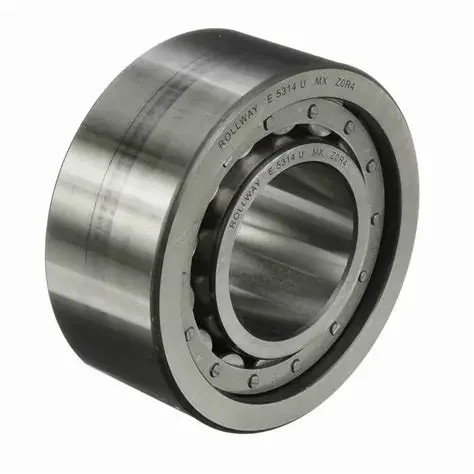
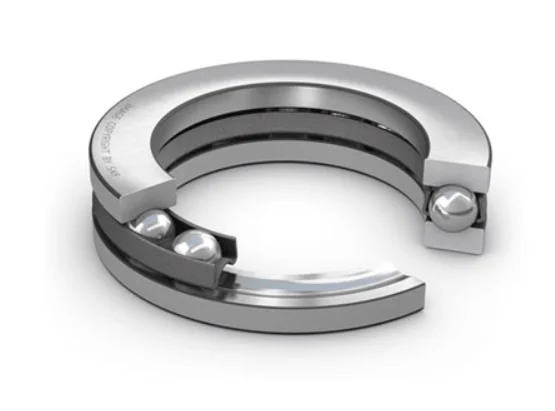
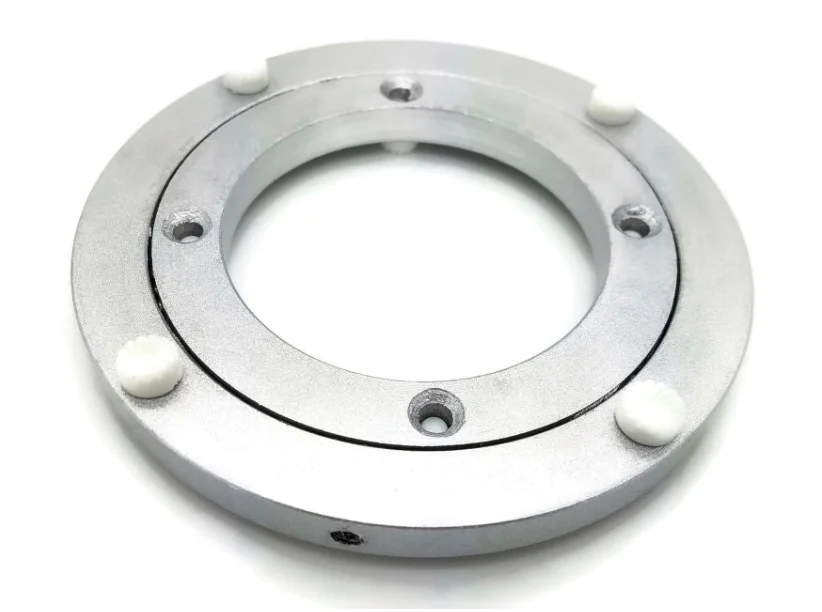
2. Common Types of Bearings
3. Installation and Maintenance Techniques
- Choose the correct bearing size: Determine the inner diameter, outer diameter, and width of the bearing to match your design.
- Prepare the mounting surface: Ensure the bearing housing surface is clean, free of burrs or foreign objects.
- Radial bearing installation methods:
- Press-fit: Use a press or clamp to seat the bearing into place.
- Shoulders & Bolts: Create a step on the shaft or use retaining nuts.
- Retaining rings: Use C-clips or E-clips.
- Adhesive: Use specialized bearing retaining compound (e.g., Loctite).
- Alignment and inspection: After installation, verify smooth rotation without binding or excessive play.
- Periodic lubrication: Use specialized bearing lubricants, especially for thrust bearings.
4. Bearing Selection Guide
- Tips for choosing bearings in robotics:
- Prioritize kit bearings: Many robot kits come with standard radial bearings out of the box.
- Check loads: Calculate actual loads on the bearing to select the appropriate type.
- Consider the working environment: Bearings should withstand impacts and operate without requiring constant maintenance.
- Spares: Always keep spare bearings for critical positions during competitions.
5. Troubleshooting Common Issues
Verified by FTC 31113 Technical LeadID: 83f4e123-292b-4cca-80c6-68d68261fbd7